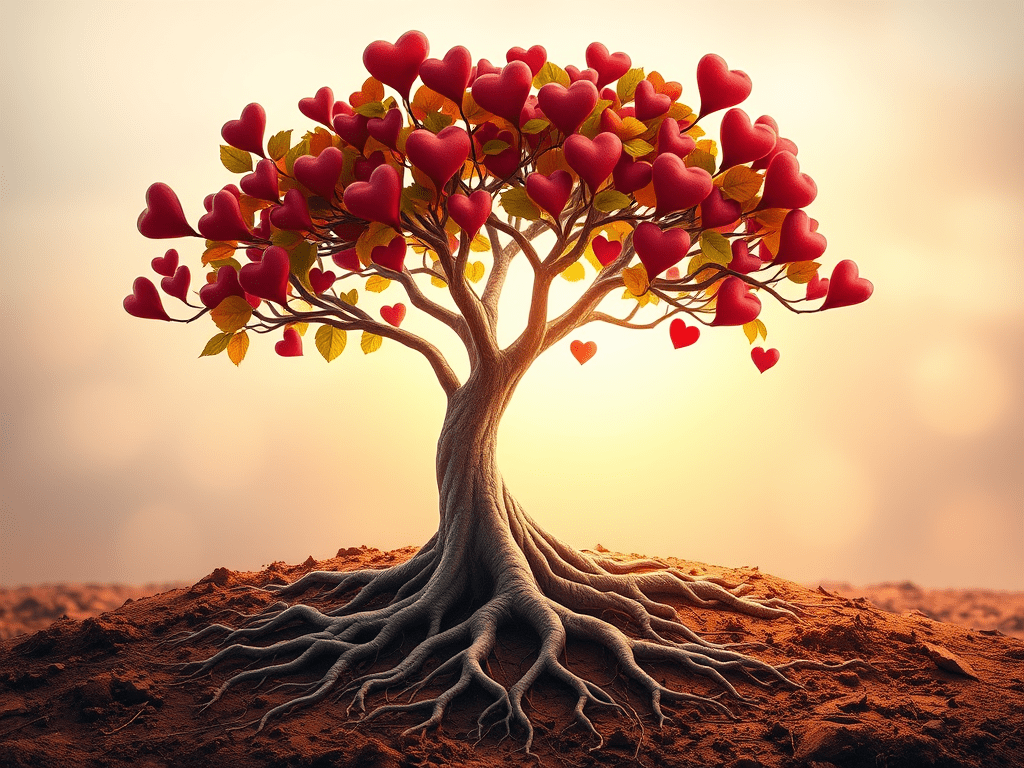
Definition: heal·ing
/ˈhēliNG/
noun
- the process of making or becoming sound or healthy again.”the gift of healing”
adjective
- tending to heal; therapeutic.”a healing experience”
The Dictionary gives us such an out of touch definition of what healing really is. Some might say it is the process of breaking down and rebuilding. Some might say it is a never ending non linear process of ups and downs. Some might say it is rigorous work and self discipline. Some might not even know what it should look like or feel like for them and none of those answers are wrong.
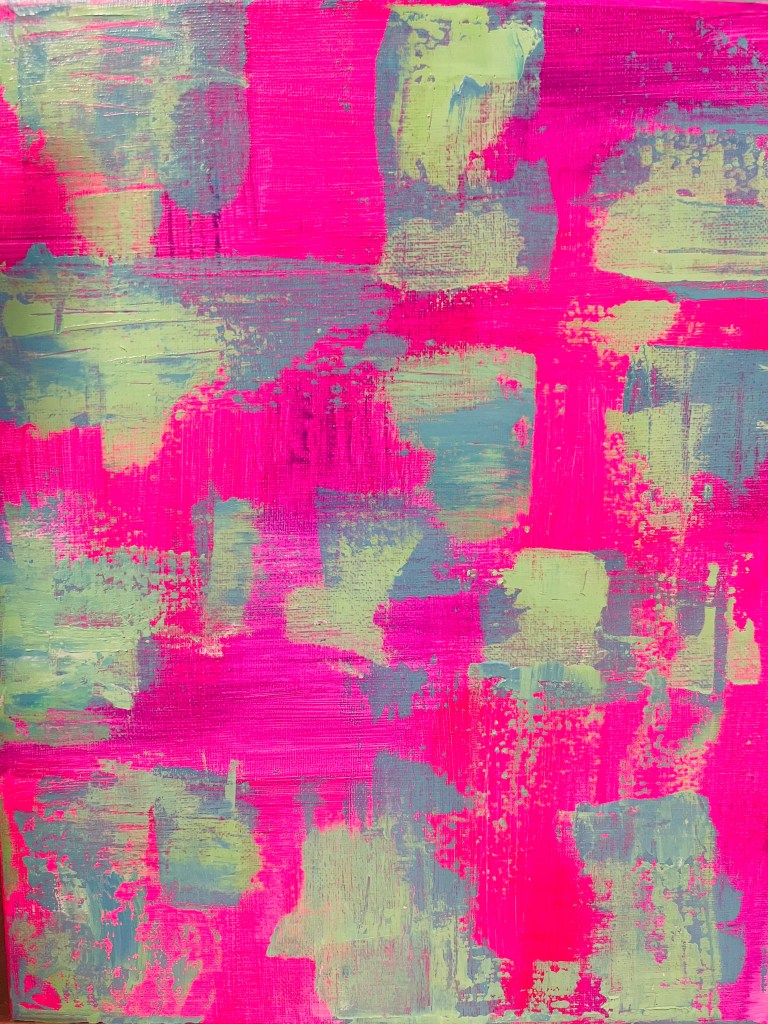
Healing is a lot like an abstract painting. I used to hate working on abstract art because I didn’t understand it’s value. It used to frustrate me because it felt unskilled, unrefined, haphazard and unintentional. I thought things like “what is the point?” “where is the skill?” “how is this art?” I didn’t start to appreciate it as more than a “background” or “texture” technique until I was already teaching art for several years as a life coach focusing on art as a coping skill. My clients all seemed to hate abstract as well. This is called a correlation. When many people with a similar trauma background all develop the same aversion to a process there must be more happening than just a coincidence.
I started forcing myself to face my frustrations with it to understand it better. The first thing I noticed was the panic. There was so much panic where I had seen others feel enjoyment. As I observed this in myself I realized this was related to control. I had been forced for so long to have my control taken from me, that letting go of control became terrifying even in tasks I loved, like art. I asked many of my clients what they felt when they face abstract creating and they ALL said PANIC!!! See the correlation? So I set out to find a way to take back our power!
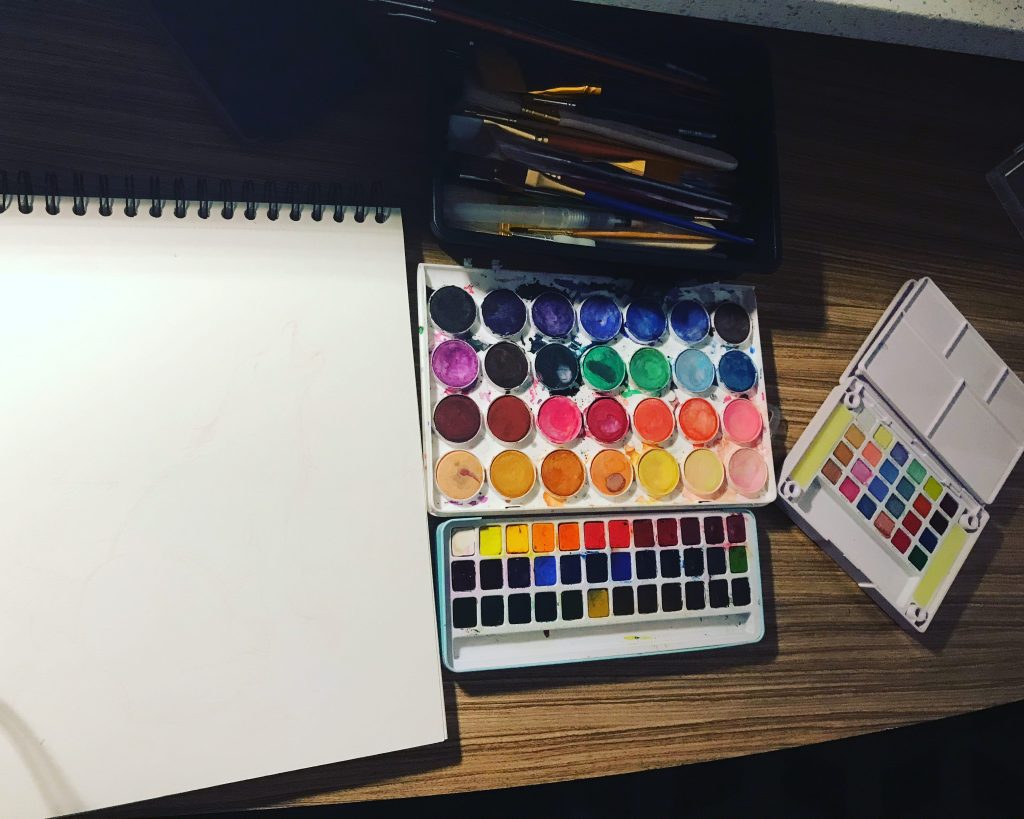
How? By facing our fears, together, and looking for the joy, beauty, and healing in abstract art. I discovered that I had to purchase cheap paints, like folk art, deco art, and meeden because I could not enjoy using my very expensive paints. It caused me to avoid painting at all costs if I knew I had to use precious supplies I couldn’t afford to replace. Affordable paint is not a handicap, it just has its own way of being used and its own qualities. Through this process I realized that by using more affordable paint I am less intimidated and avoidant of my art and of experimenting and trying new things.
So I decided to get neons, glazes, glow in the dark, neons, metallics, palette knives, sponges, cut up fabric squares and made tools out of news paper and I got some cheaper grade canvases like board canvases, and recycled imperfect canvases collected from my local community. This turned the experience into even more fun. I was breaking all the “rules” that had been forced on me by art gallery owners who wanted me to mute myself, be marketable and twist and contort myself into simple landscapes and florals and animal portraits. I realized through this experience that I had started to hate art at some point because perfectionism and marketability were holding me prisoner. How could I heal through my art when it was no longer MY art?
The more fun I began to have in my own process, the less rigid I became in my teaching style as well, the more fun my clients had. They had fun to begin with, but now they were giving themselves the freedom and space to be less judgmental of their progress. I stopped hearing “Why doesn’t mine ever look as good as yours?” and I started hearing “Oh wow look at what I made. I didn’t even know I could do that!”
Healing is a lot like abstract art. It is messy, complicated, malleable, and unique. The process can be frustrating or joyful; it can be both ugly and beautiful at the same time. It may not make sense to everyone, and that’s okay; it doesn’t need to for it to be valid. In the end it will be a finely woven tapestry including exactly what you put into it.
Sending my love,
Brittney @livemindfulee


 LiveMindfuLee
Leave a comment